

Getting Started with Income-Expense Tracking
A practical approach to recording what comes in and what goes out. We break down the basics of tracking so you can understand your cash flow.
Read moreA step-by-step guide to creating your own budget in Malaysian ringgit. Customize templates to fit your household’s unique situation.

Most people think budgeting means tracking every ringgit like a hawk. That’s not quite right. A good budget is more like a map for your money — it shows you where things are going and helps you make better decisions about where you want them to go.
We’re going to walk you through building a budget template that actually fits your life. Not some generic spreadsheet that looks impressive but doesn’t match what you actually earn and spend. You’ll create something real, something that works for your household’s specific situation.
The reality: You don’t need fancy software or complex formulas. A simple template that you understand and can update monthly will serve you far better than an elaborate system you’ll abandon in week three.

Start with what you know for certain — what comes in and what must go out.
Write down every source of money that comes into your household each month. This includes your salary (after tax), your spouse’s income if applicable, side income, or any regular payments. Be honest about what you actually receive — not what you hope to earn.
These are amounts you must pay every month without choice: mortgage or rent, insurance premiums, loan payments, utilities. Don’t include things like groceries here — those can vary. Fixed means the same amount month to month.
Don’t forget EPF/KWSP contributions — these come directly from your salary and reduce your take-home. Also factor in any other automatic deductions like health insurance or professional fees. These happen whether you think about them or not.
After you’ve covered what must be paid, everything else goes into categories. The trick isn’t having dozens of tiny categories — it’s having enough detail to understand your spending without getting bogged down.
A solid household budget typically includes 6-8 main categories. You might break down groceries, transportation, household maintenance, personal care, entertainment, and miscellaneous. The “miscellaneous” category is important. It catches everything else and prevents you from creating 50 different lines.
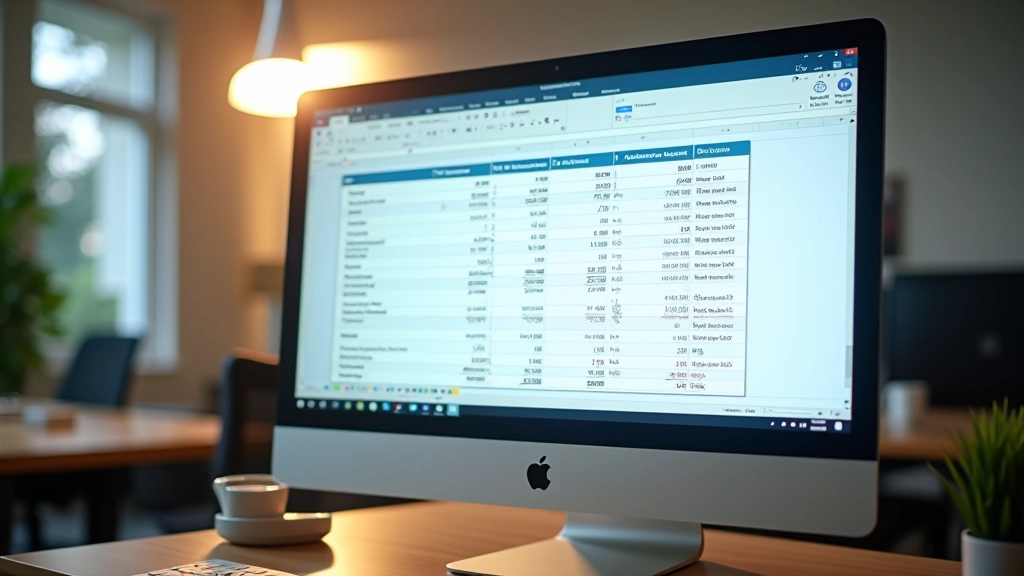

Here’s where a lot of people get stuck. They create an elaborate spreadsheet, use it for a month, then abandon it. The secret isn’t complexity — it’s simplicity you’ll actually maintain.
Your template should have just a few columns: the category name, what you estimated, what you actually spent, and the difference. Some months you’ll overspend on groceries. Other months you’ll come in under budget on transportation. That’s normal. What matters is you can see it happening.
Update it weekly or every two weeks, not once at month’s end. Small regular reviews beat the panic of looking at your bank statement and realizing you have no idea where money went. You’ll start noticing patterns — like how restaurant visits add up faster than you think, or how you consistently spend more on household stuff in certain months.
Your first budget won’t be perfect. That’s fine. The goal is getting closer to accurate each month.
Some expenses aren’t monthly. Car insurance might be paid every six months. School uniforms are needed once a year. Vehicle servicing happens periodically. Don’t ignore these — divide them by 12 and add a small amount to your monthly budget. When the bill comes, you’re not caught off guard.
You’ll always overshoot somewhere. Instead of feeling defeated, build in a 5-10% buffer. If your estimated spending is RM3,000, add RM150-300 as a buffer. When you come in under budget, that money can go toward savings or paying down debt.
Every three months, look back at what actually happened versus what you predicted. Were utilities higher in certain months? Did you spend more than expected on transportation? Use that information to adjust next quarter’s numbers. Your budget gets smarter over time.
When your income changes — whether you get a raise, lose a job, or income fluctuates — your budget needs to shift too. Don’t pretend the old numbers still work. Recalculate everything and adjust your spending priorities accordingly.
These aren’t complicated strategies. They’re just things that actually work.
Before you even create a budget, spend one month writing down every single ringgit you spend. Coffee, groceries, petrol, everything. You’ll be shocked. This gives you real numbers to work from, not guesses.
Most Malaysian banks now have spending analytics built into their apps. Look at what you’re actually spending by category. This saves you from manually tracking everything and gives you accurate starting numbers.
Treat savings like a non-negotiable bill. Even if it’s just RM100 or RM200 per month, put it in your budget as an expense. You’re paying yourself first, which is the foundation of building financial security.
If you’ve got a spouse or older kids, involve them in the budget. They need to understand the priorities and constraints. People are more likely to respect spending limits when they’ve helped create them.
Your first budget will be wrong. So will your second. That’s not failure — that’s learning. Every month you get better information about your actual spending patterns. Use it.
Things like car road tax, house maintenance, gifts, and holidays happen once a year but cost real money. Divide these annual costs by 12 and include a line for them in your monthly budget. You’ll never be surprised again.
A budget isn’t meant to make you feel bad about spending money. It’s meant to show you where your money goes and help you make intentional decisions about what matters most to you.
Start simple. Create a template you can understand and update in 10 minutes. Use it consistently for three months. Watch the patterns emerge. Then adjust based on reality, not on some ideal version of how you think you should spend.
Your ringgit-based budget is the foundation of everything else — whether that’s paying down debt, building savings, or planning for the future. It’s not glamorous work, but it’s essential work. And honestly, once you’ve got the system running, it becomes almost automatic.
“A budget tells you what you’re choosing to prioritize. Everything else is just talking.”

This guide provides educational information about budgeting principles and personal financial organization. It’s not financial advice tailored to your specific situation. Your circumstances — income, expenses, family size, obligations — are unique to you. Consider consulting with a financial advisor if you need guidance specific to your situation. The techniques described here are general approaches used by many households; results depend on your commitment to tracking and adjusting.
A practical approach to recording what comes in and what goes out. We break down the basics of tracking so you can understand your cash flow.
Read more
How much goes into your EPF, where it comes from, and what it means for your retirement. A clear breakdown of Malaysia’s mandatory savings system.
Read more
Techniques for organizing your money flow through each month. We show how to balance income and expenses strategically throughout the year.
Read more